LOADING ...
In response to evolving domestic opinion, eMedals Inc has made the conscious decision to remove the presentation of German Third Reich historical artifacts from our online catalogue. For three decades, eMedals Inc has made an effort to preserve history in all its forms. As historians and researchers, we have managed sensitive articles and materials with the greatest of care and respect for their past and present social context. We acknowledge the growing sentiments put forth by the Canadian public and have taken proactive actions to address this opinion.
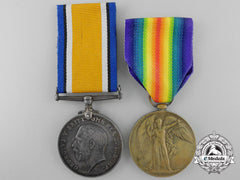
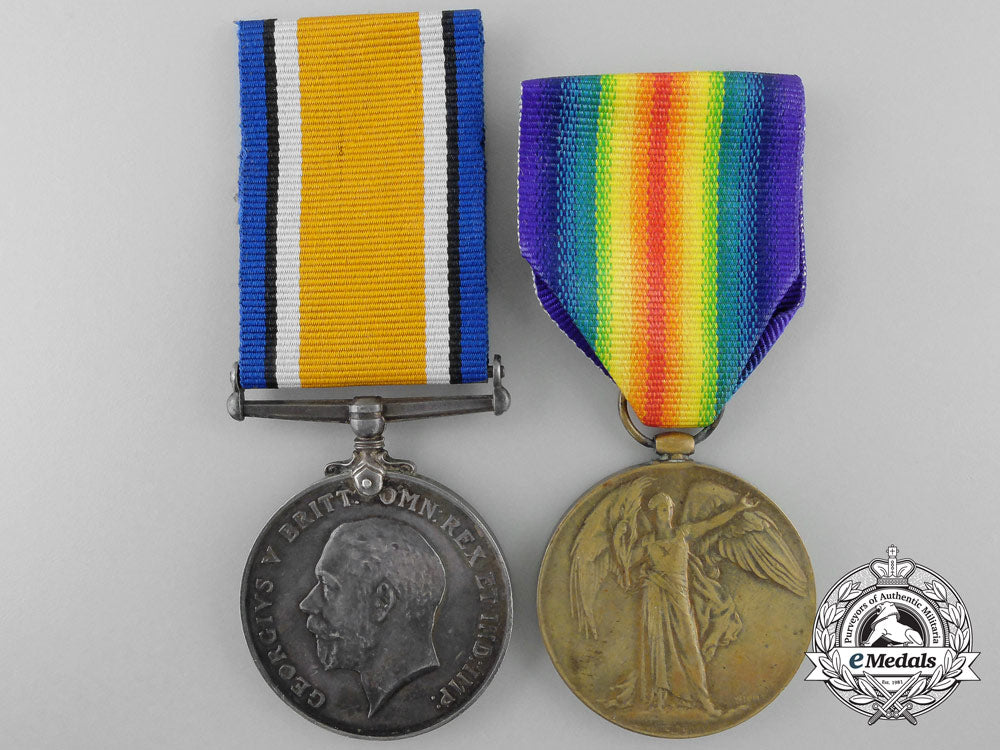
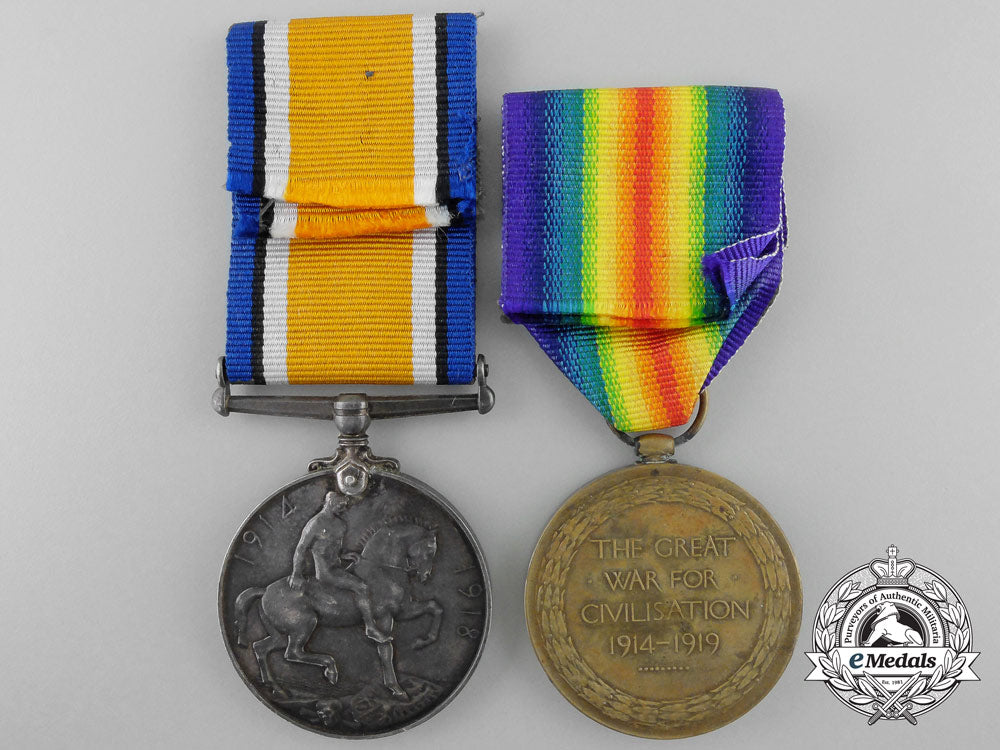
Canada. A First War Pair To The 7Th Canadian Siege Battery, Canadian Garrison Artillery
SKU: ITEM: C4128
Buyer's Premium
Current Bid:
Your Max Bid:
Bid History:
Time Remaining:
Couldn't load pickup availability
Shipping Details
Shipping Details
eMedals offers rapid domestic and international shipping. Orders received prior to 12:00pm (EST) will be shipped on the same business day.* Orders placed on Canadian Federal holidays will be dispatched the subsequent business day. Courier tracking numbers are provided for all shipments. All items purchased from eMedals can be returned for a full monetary refund or merchandise credit, providing the criteria presented in our Terms & Conditions are met. *Please note that the addition of a COA may impact dispatch time.
Shipping Details
eMedals offers rapid domestic and international shipping. Orders received prior to 12:00pm (EST) will be shipped on the same business day.* Orders placed on Canadian Federal holidays will be dispatched the subsequent business day. Courier tracking numbers are provided for all shipments. All items purchased from eMedals can be returned for a full monetary refund or merchandise credit, providing the criteria presented in our Terms & Conditions are met. *Please note that the addition of a COA may impact dispatch time.
Description
Description
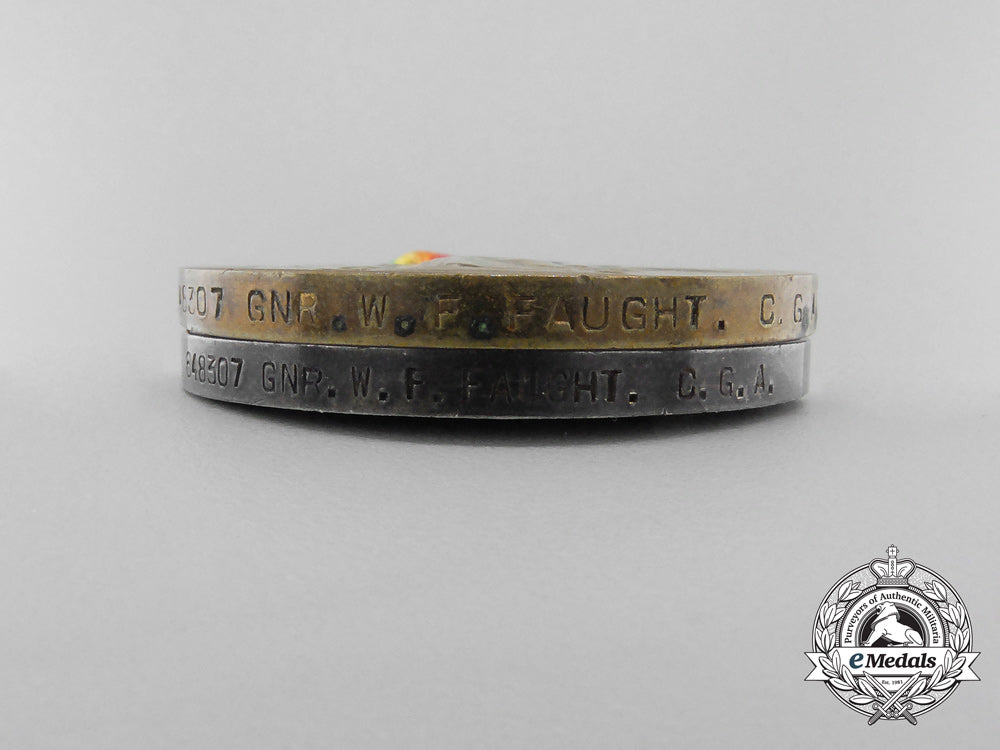
British War Medal (648307 GNR. W.F. FAUGHT. C.G.A.); and Victory Medal (648307 GNR. W.F. FAUGHT. C.G.A.). Naming is officially impressed. Un-mounted, dark patina, light contact, bruising and oxidation spots on the edge of the VM, very fine.
Footnote: William Francis Faught was born on March 8, 1897 in Nipissing Junction, Ontario (also acknowledged as having been born in Thorncliffe, Ontario). He was a resident on North Bay, Ontario when he signed his Attestation Paper with the 159th Infantry Battalion, on October 28, 1915 in North Bay, Ontario, the date later crossed out and changed to February 11, 1916, at the age of 18, naming his next-of-kin as his father, Samuel T. Faught of North Bay, stating that he had previous military service with the 97th Regiment of Rifles (Algonquin Rifles), that he was not married and that his trade was that of Bookkeeper. His unit sailed October 31, 1916 aboard the S.S. Empress of Britain, arriving in England on November 11th. Faught reported "sick" while on board the S.S. Empress of Britain and shortly after his arrival in England, was admitted to Windyknowe Military Hospital in Liverpool on November 13, 1916. He had pneumonia and was declared "seriously ill", one of the symptoms being a pain in his left side, the official diagnosis being "Pleurisy" (inflammation of the pleurae, which impairs their lubricating function and causes pain when breathing, caused by pneumonia and other diseases of the chest or abdomen). After two weeks treatment, he was transferred to King's Canadian Red Cross Special Hospital at Bushy Park, Hampton Hill on November 27th for one week's recuperation, before being discharged to the Canadian Casualty Assembly Centre at St Leonards-on-Sea on December 4th. In the new year, he was posted to the 8th Reserve Battalion on January 30, 1917, then transferred to the 8th Reserve Battalion on February 7th.
A little over two weeks later he was hospitalized for a second time, admitted to the Canadian Hospital, Etchinghill, Lyminge, Kent, on February 23rd, where he was diagnosed with "V.D.G." (venereal disease, gonorrhea). After three weeks treatment, he was transferred to the Canadian Convalescent Hospital, Monks Horton on April 14th, then discharged to duty on April 18th. In the Summer of 1917, Faught was transferred to the Canadian Siege Artillery on July 8, 1917 and posted to the 10th Canadian Siege Battery on July 12th. In the Fall of 1917, he was posted overseas on October 16th, arriving in France, where he joined the 7th Canadian Siege Battery on October 22nd, the unit absorbed by the 1st Brigade, Canadian Garrison Artillery in the field on March 20, 1918. He was posted for a two week period to No. 7 Canadian Infantry Brigade on April 22, 1918, rejoining his unit on May 5th and would continue to serve with them in the French theatre until November 8, 1918, his service on the continent totalling a little over a year. After his departure from France, the gonorrhea that had earlier caused him trouble resurfaced. He was subsequently admitted to the Canadian Special Hospital at Witley on November 23, 1918, where he was treated for the next eighteen days, before being transferred to the Canadian Convalescent Hospital, Bear Wood, Wokingham on December 11th. Near the end of his stay at Bear Wood, the doctor noted that Faught had "no discharge, no complaint, general condition good", allowing him to be discharged to the Canadian Convalescent Depot on December 20th. He was posted to No. 2 Wing at the Canadian Concentration Camp at Kinmel Park, North Wales for return to Canada, on January 20, 1919. He embarked Liverpool, England aboard the S.S. Carmania, arriving in Halifax, Nova Scotia on February 8th. He was later posted to the Casualty Company at Exhibition Camp, Military District No. 2 in Toronto, Ontario, where he was treated for Bronchitis (inflammation of the mucous membrane in the bronchial tubes) and Myalgia (muscle pain, a symptom of many diseases and disorders).
Faught was discharged as being "Medically Unfit" on March 7, 1919 at Military District No. 2 in Toronto, credited with having served in Canada, England and France, entitled to wear the War Service Badge, Class "A", number 235333. Upon his discharge from service, he was transferred to the Invalided Soldiers' Commission (I.S.C.) Davisville Hospital in Toronto for further treatment, and after nine weeks treatment, he was discharged from hospital on May 11th. For his First World War service, he was awarded the British War Medal and the Victory Medal. In his Will, dated September 27, 1916, he bequeathed his real estate and his personal estate to his mother, Mrs. S.J. Faught, Sr. of North Bay, but of course it was never executed. Faught died on March 19, 1957, at the age of 60.
Description
British War Medal (648307 GNR. W.F. FAUGHT. C.G.A.); and Victory Medal (648307 GNR. W.F. FAUGHT. C.G.A.). Naming is officially impressed. Un-mounted, dark patina, light contact, bruising and oxidation spots on the edge of the VM, very fine.
Footnote: William Francis Faught was born on March 8, 1897 in Nipissing Junction, Ontario (also acknowledged as having been born in Thorncliffe, Ontario). He was a resident on North Bay, Ontario when he signed his Attestation Paper with the 159th Infantry Battalion, on October 28, 1915 in North Bay, Ontario, the date later crossed out and changed to February 11, 1916, at the age of 18, naming his next-of-kin as his father, Samuel T. Faught of North Bay, stating that he had previous military service with the 97th Regiment of Rifles (Algonquin Rifles), that he was not married and that his trade was that of Bookkeeper. His unit sailed October 31, 1916 aboard the S.S. Empress of Britain, arriving in England on November 11th. Faught reported "sick" while on board the S.S. Empress of Britain and shortly after his arrival in England, was admitted to Windyknowe Military Hospital in Liverpool on November 13, 1916. He had pneumonia and was declared "seriously ill", one of the symptoms being a pain in his left side, the official diagnosis being "Pleurisy" (inflammation of the pleurae, which impairs their lubricating function and causes pain when breathing, caused by pneumonia and other diseases of the chest or abdomen). After two weeks treatment, he was transferred to King's Canadian Red Cross Special Hospital at Bushy Park, Hampton Hill on November 27th for one week's recuperation, before being discharged to the Canadian Casualty Assembly Centre at St Leonards-on-Sea on December 4th. In the new year, he was posted to the 8th Reserve Battalion on January 30, 1917, then transferred to the 8th Reserve Battalion on February 7th.
A little over two weeks later he was hospitalized for a second time, admitted to the Canadian Hospital, Etchinghill, Lyminge, Kent, on February 23rd, where he was diagnosed with "V.D.G." (venereal disease, gonorrhea). After three weeks treatment, he was transferred to the Canadian Convalescent Hospital, Monks Horton on April 14th, then discharged to duty on April 18th. In the Summer of 1917, Faught was transferred to the Canadian Siege Artillery on July 8, 1917 and posted to the 10th Canadian Siege Battery on July 12th. In the Fall of 1917, he was posted overseas on October 16th, arriving in France, where he joined the 7th Canadian Siege Battery on October 22nd, the unit absorbed by the 1st Brigade, Canadian Garrison Artillery in the field on March 20, 1918. He was posted for a two week period to No. 7 Canadian Infantry Brigade on April 22, 1918, rejoining his unit on May 5th and would continue to serve with them in the French theatre until November 8, 1918, his service on the continent totalling a little over a year. After his departure from France, the gonorrhea that had earlier caused him trouble resurfaced. He was subsequently admitted to the Canadian Special Hospital at Witley on November 23, 1918, where he was treated for the next eighteen days, before being transferred to the Canadian Convalescent Hospital, Bear Wood, Wokingham on December 11th. Near the end of his stay at Bear Wood, the doctor noted that Faught had "no discharge, no complaint, general condition good", allowing him to be discharged to the Canadian Convalescent Depot on December 20th. He was posted to No. 2 Wing at the Canadian Concentration Camp at Kinmel Park, North Wales for return to Canada, on January 20, 1919. He embarked Liverpool, England aboard the S.S. Carmania, arriving in Halifax, Nova Scotia on February 8th. He was later posted to the Casualty Company at Exhibition Camp, Military District No. 2 in Toronto, Ontario, where he was treated for Bronchitis (inflammation of the mucous membrane in the bronchial tubes) and Myalgia (muscle pain, a symptom of many diseases and disorders).
Faught was discharged as being "Medically Unfit" on March 7, 1919 at Military District No. 2 in Toronto, credited with having served in Canada, England and France, entitled to wear the War Service Badge, Class "A", number 235333. Upon his discharge from service, he was transferred to the Invalided Soldiers' Commission (I.S.C.) Davisville Hospital in Toronto for further treatment, and after nine weeks treatment, he was discharged from hospital on May 11th. For his First World War service, he was awarded the British War Medal and the Victory Medal. In his Will, dated September 27, 1916, he bequeathed his real estate and his personal estate to his mother, Mrs. S.J. Faught, Sr. of North Bay, but of course it was never executed. Faught died on March 19, 1957, at the age of 60.

You May Also Like
Germany, Imperial. A Commemorative Reservist Stein to Drummer Friedrich Scharkenberg
G63362
Germany, RAD. A Service Cap for Leaders
G63360
Germany, Kriegsmarine. A Deck Gun Binocular, by Optische Präzisions-Werke G.m.b.H., c. 1944
G63329
Germany, Heer. A Flak/Artillery Visor Cap for Enlisted Ranks, by Clemens Wagner
G63316
Germany, Heer. A Pair of Breast Eagles for Higher Ranks
G63293
-
Germany, Imperial. A Commemorative Reservist Stein to Drummer Friedrich Scharkenberg
G63362
Add to CartRegular price $340 USDRegular price $0 USD Sale price $340 USDUnit price / per -
Germany, RAD. A Service Cap for Leaders
G63360
Add to CartRegular price $1,080 USDRegular price $0 USD Sale price $1,080 USDUnit price / per -
Germany, Kriegsmarine. A Deck Gun Binocular, by Optische Präzisions-Werke G.m.b.H., c. 1944
G63329
Add to CartRegular price $945 USDRegular price $0 USD Sale price $945 USDUnit price / per -
Germany, Heer. A Flak/Artillery Visor Cap for Enlisted Ranks, by Clemens Wagner
G63316
Add to CartRegular price $675 USDRegular price $0 USD Sale price $675 USDUnit price / per -
Germany, Heer. A Pair of Breast Eagles for Higher Ranks
G63293
Add to CartRegular price $135 USDRegular price $0 USD Sale price $135 USDUnit price / per
Do you have a similar item you are interested in selling?
Please complete the form and our client care representatives will contact you.
Sell Item